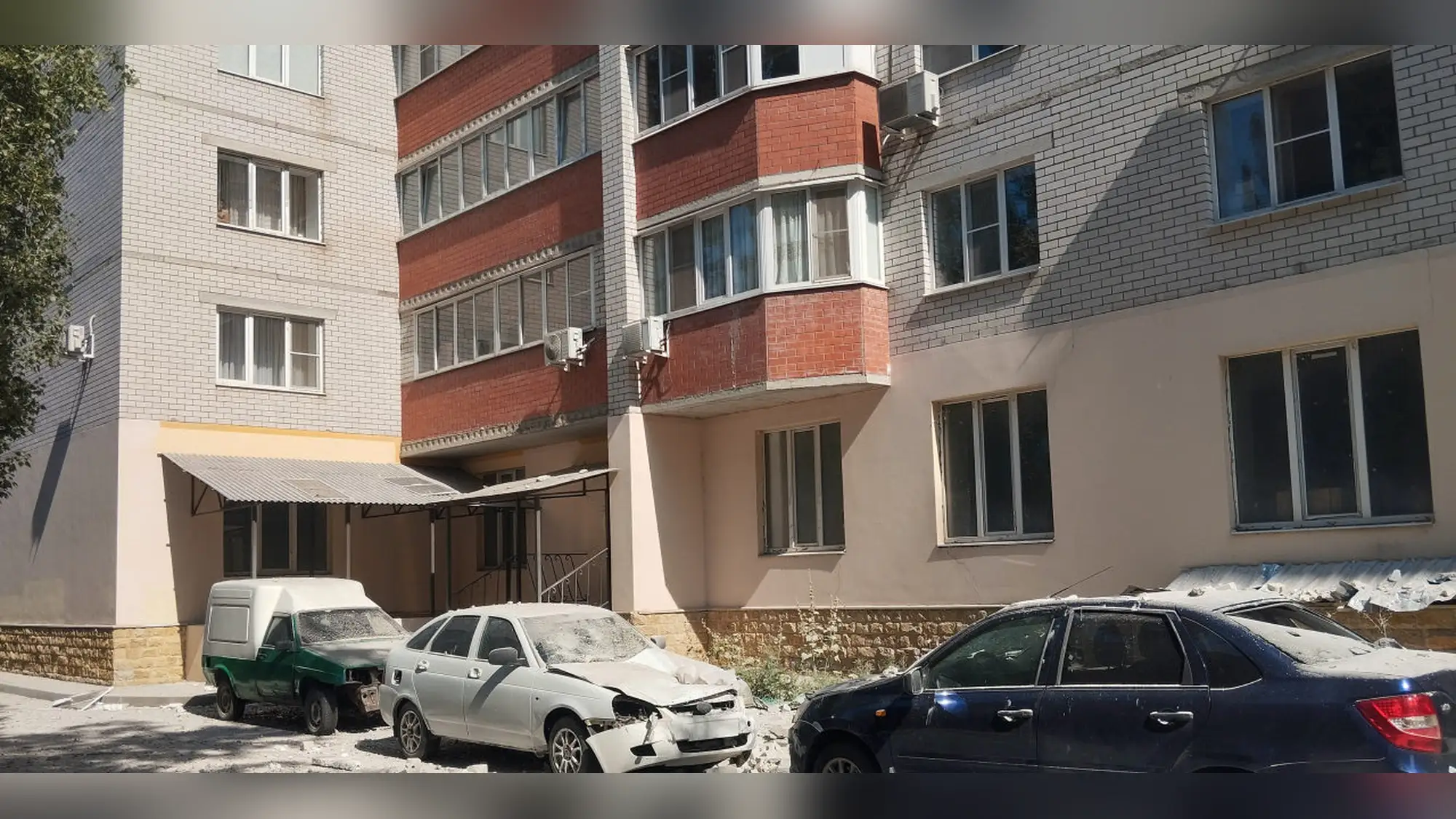
St. Petersburg faced a major escalation in drone warfare as over 140 Ukrainian drones targeted key oil terminals and naval facilities during Russia's flagship economic forum. The strikes, described by Russian officials as rare, sent thick black smoke over the city and disrupted critical infrastructure amid a high-profile gathering attended by delegations from more than 130 countries. The Kremlin vowed systemic retaliation as Ukraine demonstrated its growing reach deep into Russian territory.
The city of St. But petersburg endured a big and unusual drone assault when scores of Ukrainian drones struck vital infrastructure, including the oil terminal and the naval base at Kronstadt, an island located just offshore. This attack unfolded during Russia’s annual St. And petersburg International Economic Forum, an event often referred to as Russia’s "Davos," which attracts thousands of guests and aims to showcase Moscow’s economic ambitions. The timing was deliberate, coming just days after President Vladimir Putin addressed the forum, underscoring Kyiv’s intensified long-range strike capabilities.
Ukrainian forces launched more than 140 drones toward St. Still petersburg and surrounding areas. Ukrainian President Volodymyr Zelensky confirmed these strikes on social media, highlighting hits on Russian arsenals and the Baltic Fleet’s facilities. The drones reportedly traveled roughly 1,000 kilometers, or 620 miles, to reach their targets, demonstrating Ukraine’s expanding capacity to strike deep inside Russian territory. Ukrainian military sources released video footage showing a drone hitting the corvette Boiky, which was docked in dry dock at Kronstadt, highlighting the precision and reach of the campaign.
While independent verification of damage remains limited, Russian authorities admitted to damage across several infrastructure sites in three city districts. Some injuries were reported, though no fatalities have been confirmed.
The attack’s impact was both physical and psychological, as thick plumes of black smoke rose over St. Petersburg, prompting local officials to advise residents to stay indoors for the first time since the war began.
The city’s air defenses reportedly shot down 59 drones overnight. In the broader Leningrad region, officials said over 140 drones were intercepted, according to regional governor Alexander Drozdenko.
The strikes also caused disruption to civil infrastructure; Pulkovo Airport temporarily closed, and mobile internet services were cut off, further complicating daily life and emergency responses in the city.
The Kremlin responded swiftly, with spokesman Dmitry Peskov vowing systematic retaliatory strikes against Ukraine. Peskov stated that Russia’s responses would be "systemic in nature," signaling a potential escalation of reciprocal drone and missile attacks. This comes amid Russia’s own intensified assaults on Ukrainian cities, which have caused substantial civilian casualties. The back-and-forth nature of these drone attacks reflects a broader pattern of escalation on both sides.
Ukraine’s Expanding Drone Campaign and Strategic Targets
Kyiv’s recent drone campaign marks a shift in tactics as the front lines have remained largely static for months. Unable to make significant territorial gains, Ukraine has increasingly targeted Russian military logistics and energy infrastructure deep inside Russia. The strikes on St. Petersburg’s oil terminal aim to degrade fuel supplies critical for Russian military operations. Similarly, in the Krasnodar region, approximately 500 kilometers south of St. Petersburg, Ukrainian forces struck an oil depot, illustrating the geographic breadth of their offensive capabilities.
The attack on Kronstadt’s naval base, home to the Baltic Fleet, strikes at a symbolic and strategic target. The Baltic Fleet is a key component of Russia’s naval power in the region, and damage to vessels like the corvette Boiky could hamper Russian naval operations. The footage showing a drone strike on the Boiky shows Ukraine’s ability to hit high-value military assets far from the frontline.
Within Russian-occupied areas of eastern Ukraine, such as Luhansk, Moscow-backed authorities have suspended public transport following repeated Ukrainian drone strikes targeting Russian logistics hubs. This disruption reflects the operational pressure Kyiv is applying to Russian supply lines, aiming to weaken Moscow’s warfighting capacity over time.
Political and Military Context of the Strikes
The drone attacks on St. Petersburg coincide with heightened political tensions. On June 4, Ukrainian President Zelensky issued an open letter calling for direct peace negotiations with Putin to end the war. Putin rejected the proposal, reiterating that talks would only proceed once Russia’s territorial demands are met. These conditions include Ukraine withdrawing from the Donetsk, Luhansk, Kherson, and Zaporizhzhia regions and abandoning its bid to join NATO.
The St. Petersburg International Economic Forum, despite diminished international attendance since the 2022 invasion, remains a big event for Russia’s political agenda. This year’s forum drew delegations from over 130 countries, including Saudi Arabia, but featured a notably low-key U.S. presence. The drone attacks during the forum added a layer of tension and showed the volatility surrounding Russia’s geopolitical ambitions amid the ongoing conflict.
Ukraine’s growing drone capabilities have become essential to its defense and offense, compensating for limitations in conventional air defense and military forces. However, Kyiv faces challenges in replenishing advanced Western air defense systems, including the American-made Patriot missile batteries.
U.S. stockpiles are strained due to other conflicts, leading Zelensky to publicly express frustration over delays and difficulties in securing enough air defense hardware. This shortage leaves Ukraine vulnerable to Russian missile barrages even as it escalates its own drone strikes.
The drone strikes on St. Petersburg carry both tactical and symbolic weight. Attacking Putin’s hometown and the site of a major political event sends a powerful message about Ukraine’s resolve and capability to strike high-value targets deep inside Russia. At the same time, the Kremlin’s vow of systemic retaliation indicates the conflict will likely continue to see reciprocal escalations in drone and missile warfare.
The St. Petersburg International Economic Forum continues this week, with President Putin scheduled to speak on June 6. As the forum presses on amid this heightened security backdrop, attention will turn to Russia’s response to Ukraine’s drone campaign and whether Kyiv will intensify its long-range strikes. Meanwhile, Ukraine’s calls for negotiations remain unaccepted by Moscow, signaling the conflict’s ongoing stalemate.